For the dedicated fan who wants to keep every play, score, and statistical nuance at hand, a printable Week 8 tracker can be a game‑changer. By turning the digital grid into a tangible sheet, you gain quick reference, a sense of ownership, and a permanent record that doesn’t disappear when a website updates.
Context: Why a Printable Tracker Is Worth It
Week 8 often features pivotal matchups that influence playoff positioning. A printed sheet lets you annotate on the spot—highlight a touchdown run, mark a defensive stop, or note a quarterback’s passer rating—without hunting down the data afterward. For hobbyists who value the tactile experience of paper, a well‑designed tracker offers an immediate, low‑tech way to stay engaged.
Step‑by‑Step Guide to Create Your Own Tracker
Below are the straightforward steps to build a printable that suits your needs. Each stage is designed to keep the process quick while maximizing the sheet’s usefulness.
- Select a Base Layout – Start with a blank PDF or spreadsheet. The image below illustrates a clean, column‑driven template that can be adapted for any league format.
- Define the Metrics You Care About – Choose columns for team names, scores, total yards, turnovers, and any advanced stat (e.g., third‑down conversion rate). Keep the number of columns to a manageable 5–7 to avoid clutter.
- Populate Game‑by‑Game Data – Input the Week 8 matchups, then fill in results as the games finish. This can be done manually after each game or imported from a CSV if you’re comfortable.
- Style for Clarity – Use bold headers, alternating row colors, and a clear font (12‑point Calibri or Arial). Add a legend if you use color coding.
- Print and Store – Print on standard 8.5″ × 11″ paper or a larger sheet for a wall poster. Store in a binder or file for easy access in future seasons.
Benefits vs. Trade‑Offs
Adopting a printable tracker comes with clear perks and a few caveats:
- Pros
- Instant reference without a device or internet connection.
- Physical notes can be added directly, creating a personalized narrative.
- Reduced screen fatigue compared to scrolling through online stats.
- Cons
- Manual entry may introduce errors if data is transcribed incorrectly.
- Updates are static; the sheet can’t auto‑refresh post‑game stats.
- Physical storage requires extra space and can become cumbersome over multiple seasons.
Realistic Expectations for Hobbyists
When you set out to master an NFL Week 8 printable, aim for a balance between detail and usability. An overly dense sheet may overwhelm you during the game, while a too‑simplistic one might leave you wanting more data. Consider these tips:
- Keep the design consistent with the rest of your collection—use the same fonts and colors as your other trackers.
- Set a schedule for updating the sheet (e.g., post‑game or end‑of‑season review) so you stay current without constant tweaks.
- Leverage the printed format for quick comparisons across seasons; you can stack sheets and flip through them for trend analysis.
In sum, a printable Week 8 tracker offers a tangible, hands‑on approach to following the NFL, especially for enthusiasts who appreciate the ritual of filling in stats and highlighting standout performances. By following the simple steps outlined above, you’ll have a reliable tool that enhances your fandom, preserves memorable moments, and keeps the excitement alive long after the final whistle.
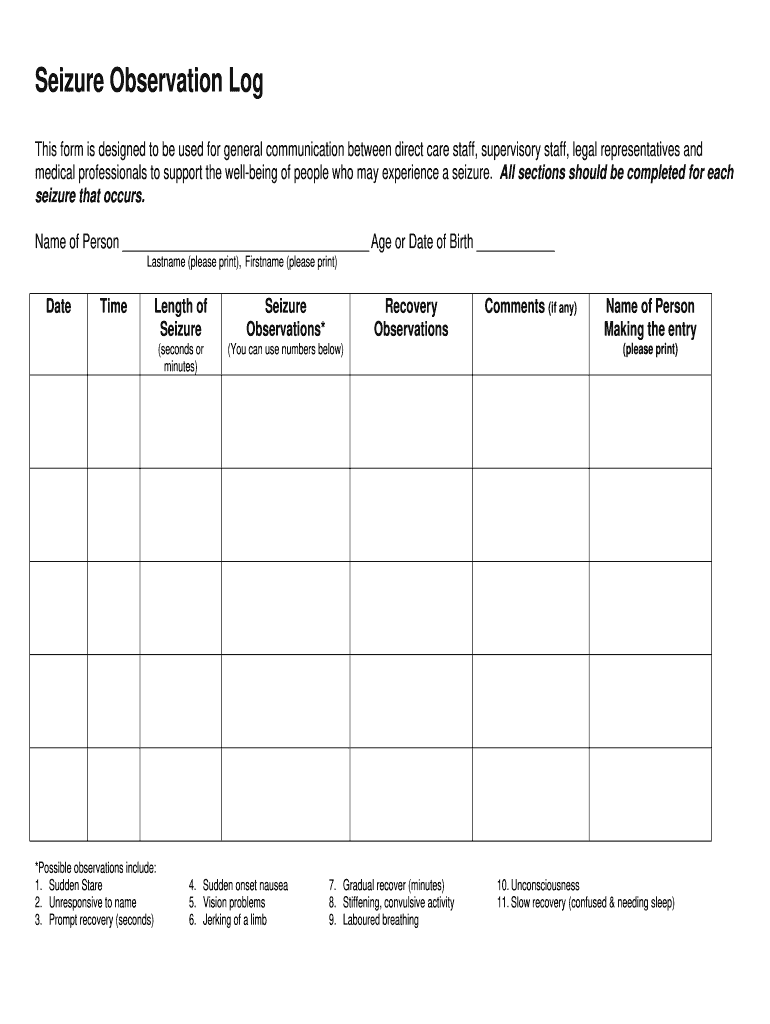
Seizure Tracker Printable - 16 FREE Epilepsy Journals And Seizure Logs

Seizure Tracker Printable - 16 FREE Epilepsy Journals and Seizure Logs
Seizure Tracker Printable - 16 FREE Epilepsy Journals And Seizure Logs

Seizure Tracker Printable - 16 FREE Epilepsy Journals and Seizure Logs
Printable Daily Seizure Tracker/ Seizure Diary - Etsy
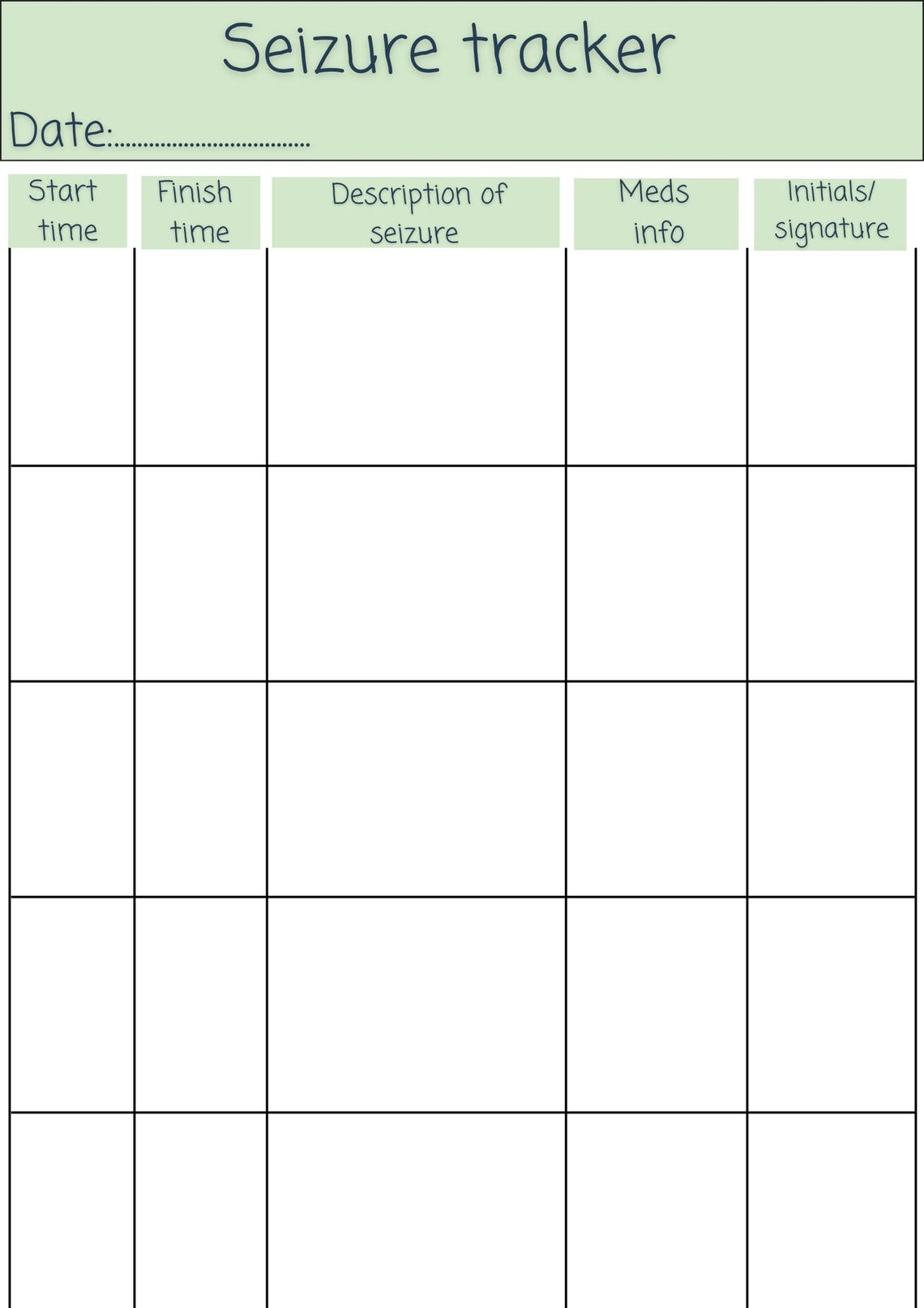
Printable Daily Seizure Tracker/ Seizure Diary - Etsy
Printable Seizure Log Epilepsy Tracker. - Etsy.de
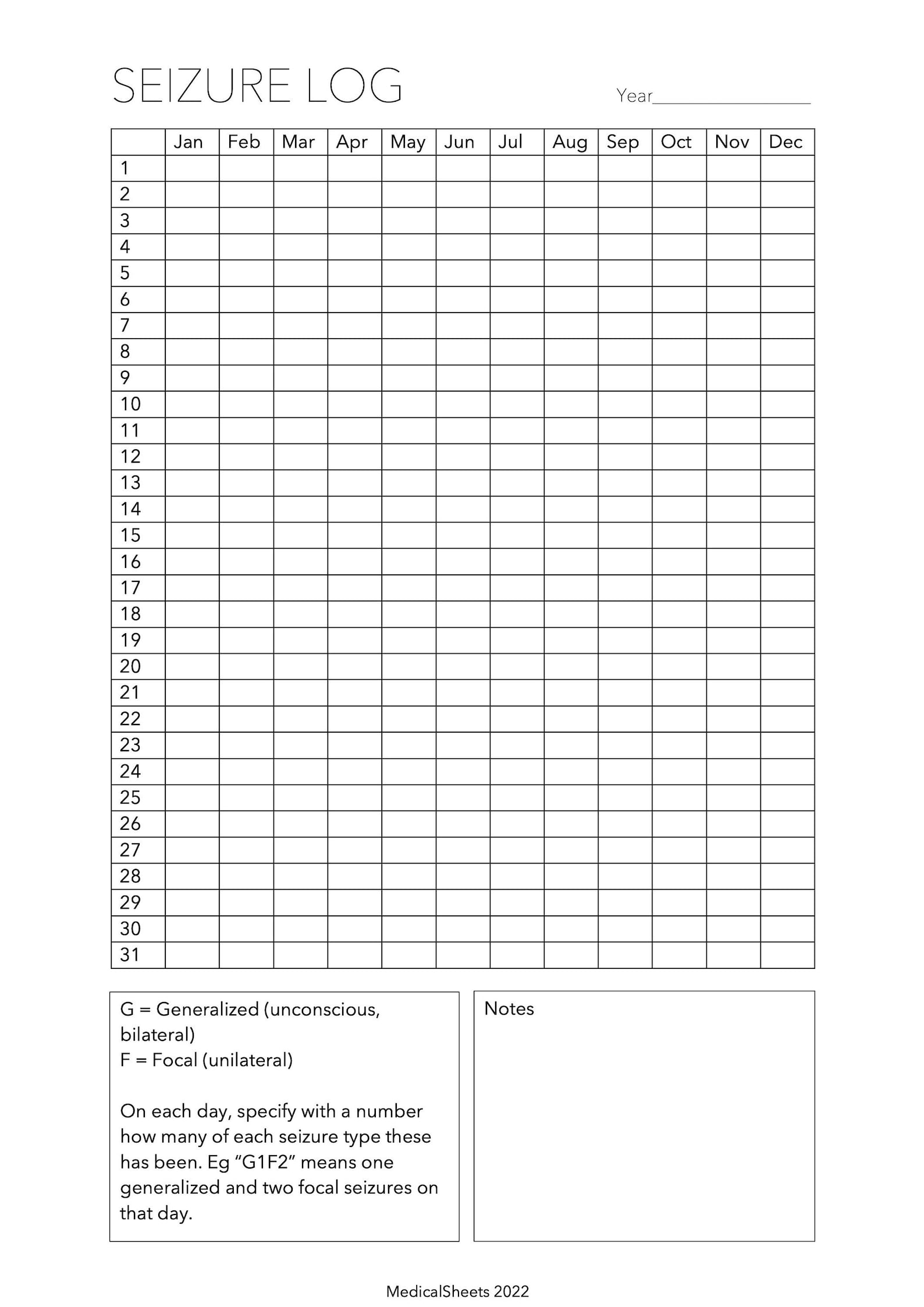
Printable seizure log epilepsy tracker. - Etsy.de